If you have been reading about smart homes you have probably run into "Buspro", "KNX" and "bus system" without anyone explaining what a bus actually is. It is a simple idea wrapped in unhelpful vocabulary, and it is worth understanding because it explains why some systems feel solid and others feel fragile.
What a bus is
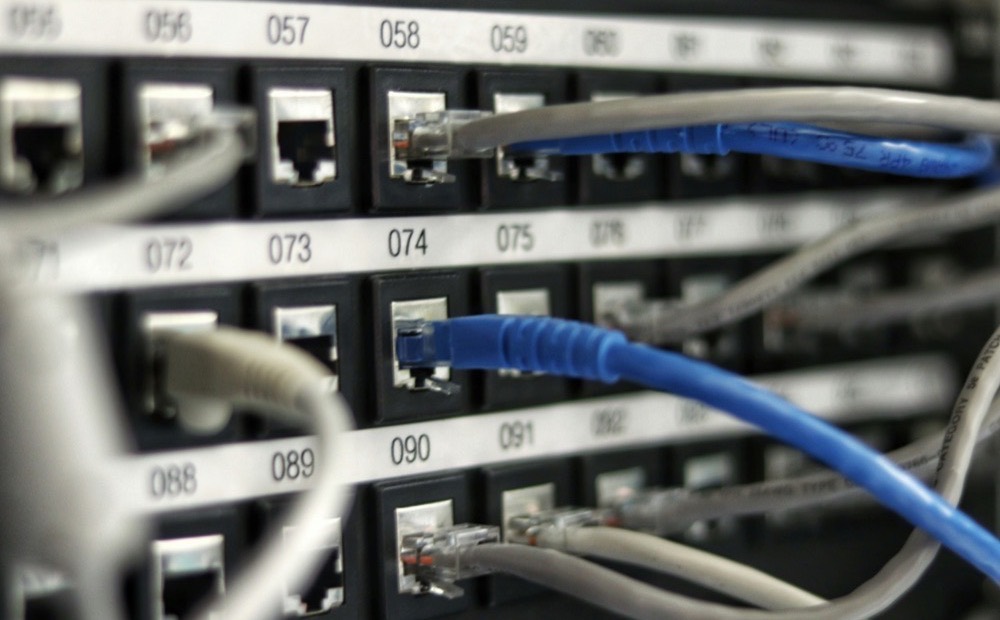
A bus is a shared cable that every device connects to. Instead of running a separate wire from a central controller to each device, you run one cable past all of them and they tap into it.
That cable carries two things at once: low-voltage power to run the devices, and data so they can talk. One cable, both jobs.
Every device on the bus has an address, in the way houses on a street have numbers. When a keypad is pressed it puts a message onto the bus saying, in effect, "device 12, go to 40 percent". Every device hears it. Device 12 acts on it. The others ignore it.
That is genuinely the whole concept. Everything else is detail.
Why this is different from Wi-Fi smart devices
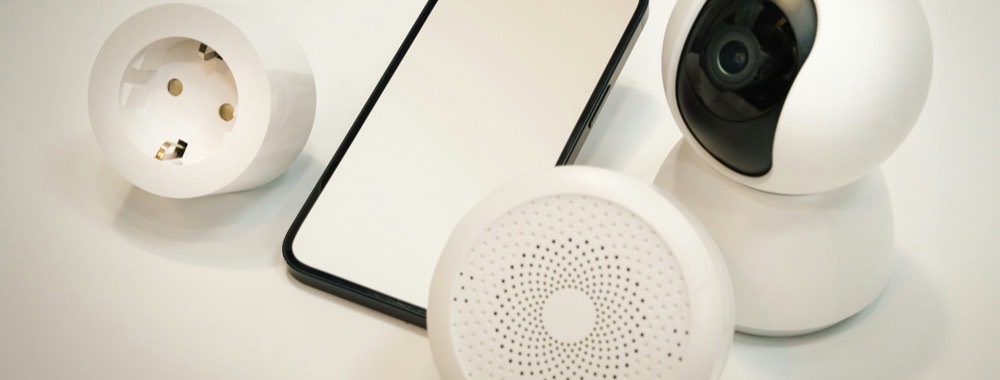
A typical Wi-Fi smart bulb works like this: the bulb joins your Wi-Fi, connects out to the manufacturer's server, and your app also connects to that server. Press the button and your instruction travels to a data centre and back.
It works well when everything is up. It has three failure points that have nothing to do with the bulb: your Wi-Fi, your internet connection, and a company's servers.
On a bus system the keypad and the dimmer are on the same cable, a few metres apart, and they talk directly. No router, no internet, no server. The app is a convenience added on top, not the mechanism.
The practical test: unplug your router. In a bus system the lights still work from the wall. That is the difference, and it is the reason we specify wired systems for anything that matters.
Where the logic lives
This is the part that surprises people. In a well-configured bus system, the "intelligence" is not in an app or a hub in a cupboard. It is programmed into the devices themselves.
A scene that dims the lounge, closes the curtains and drops the AC set point is stored in the devices on the bus. Trigger it and it runs locally, in milliseconds, whether or not anything else in the building is online.
It also means there is a file that defines how your house behaves. That file is an asset, and you should insist on receiving a copy at handover. We put that near the top of our questions to ask before hiring an installer for good reason.
What HDL Buspro is specifically
HDL Buspro is one implementation of this idea, developed by HDL. KNX is another, older and vendor-neutral. They differ in detail and in commercial model but the underlying principle is the same.
Arctic Controls is the exclusive HDL Automation distributor in West Africa, so Buspro is what we work with most and what we teach at our academy. We are not going to pretend it is the only credible option. KNX is excellent. The meaningful decision is wired bus versus cloud-dependent wireless, not which bus.
What this means in practice
- One cable run past devices, carrying power and data together.
- Devices talk directly, so wall control works with no internet.
- Logic and scenes are stored in the devices, not in a cloud account.
- The configuration is a file. Make sure you own a copy.
- It has to be cabled during first fix, so the decision is a construction decision.
The honest limitation
Bus systems need cable, and cable needs to go in before walls close. For a finished building, retrofitting a full bus system means opening up finishes, which is rarely worth it for lighting alone.
That is not a flaw so much as a constraint on when you can choose it. If you are building or renovating, it is available to you cheaply. If you are not, wireless is the sensible answer and there is no shame in it. We covered that trade-off in wired or wireless.
If you are at design stage and want to understand what cabling to run before it becomes expensive, that is worth a conversation early rather than late.